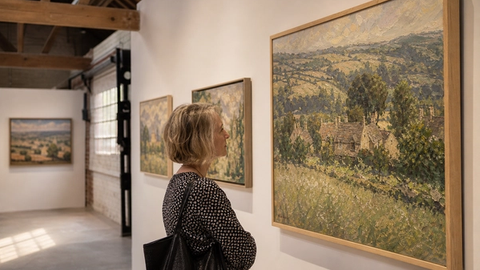
 Music & ArtsFree
KB Hancock – England’s ‘Lost’ Impressionist
📅 24 Jun – 2 Aug
📍 Tetbury Goods Shed, The Old Station Yard, Cirencester Road, Tetbury GL8 8EY
About
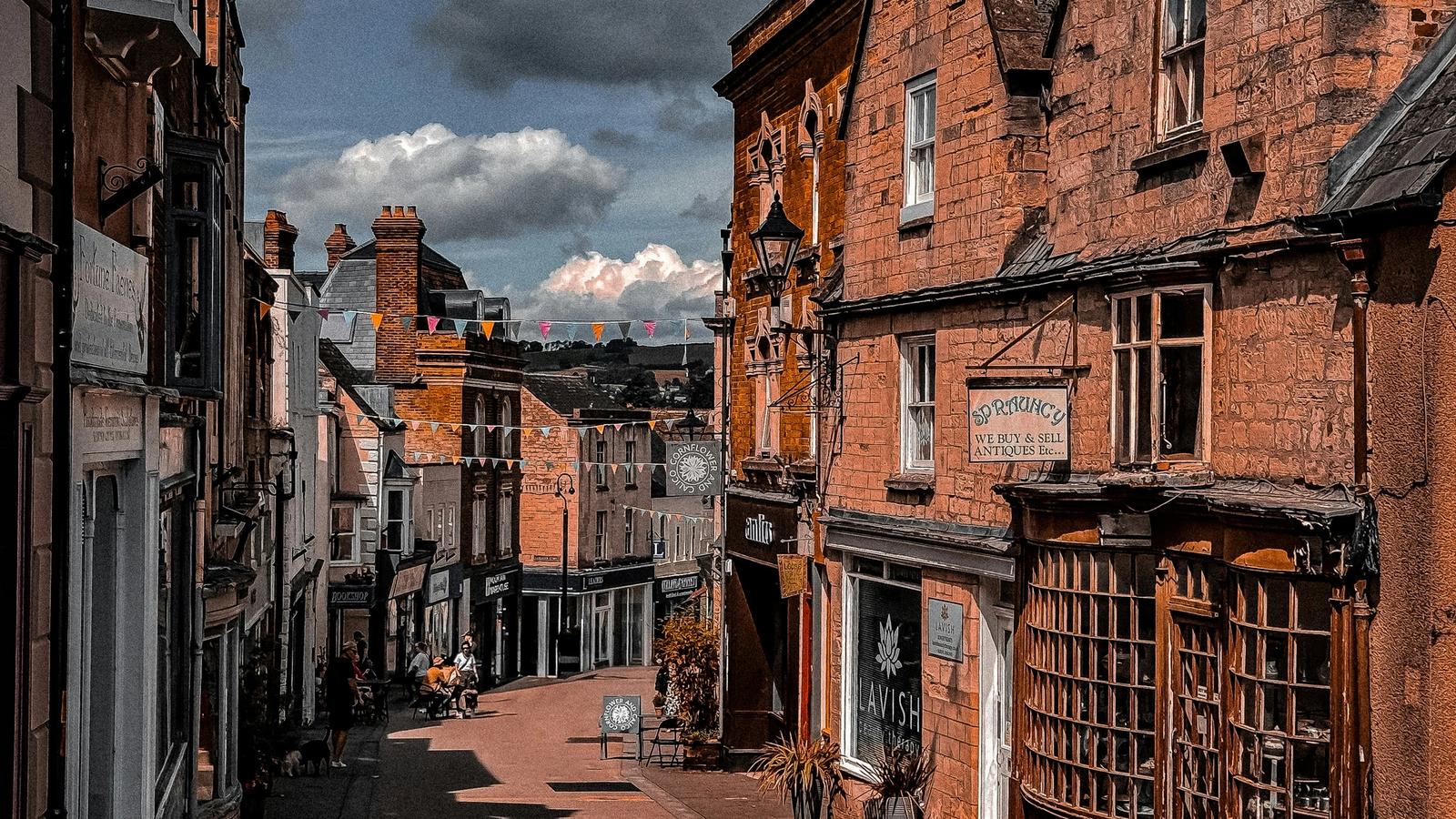
Stroud is different. It's not honey stone and tourists and tea rooms, it's steep valleys, Victorian mills, independent shops that actually take the Brixton pound, and a farmers' market on Saturdays that people treat like a religion. It's the only place in the Cotswolds where you'll see dreadlocks, vintage record shops, and a thriving community of artists, makers, and people who moved here in the '90s and never left. It's also one of the few towns in the area that feels like it's still properly alive rather than preserved in aspic for visitors.
The town sits in a series of valleys, five of them converge here, which is why it's sometimes called the Five Valleys, and the landscape is steep, wooded, and nothing like the rolling wolds you get further north. The wool trade powered Stroud from the 16th century onwards, and at its peak there were over 150 mills operating in the valleys around the town. Most have been converted into flats and studios now, but you can still see the mill buildings, the weavers' cottages on the hillsides, and the network of canals that used to move the cloth.
Stroud Farmers Market on Saturdays is one of the best in the country, 50+ stalls, all local producers, organic veg, sourdough from Hobbs House, cheese that people queue for, meat from farms you can actually visit. It runs from 9am to 2pm in the Cornhill and gets absolutely rammed, so go early or accept you're jostling for space. It's the kind of market where stallholders know their regulars by name and will save you the good tomatoes if you ask nicely.
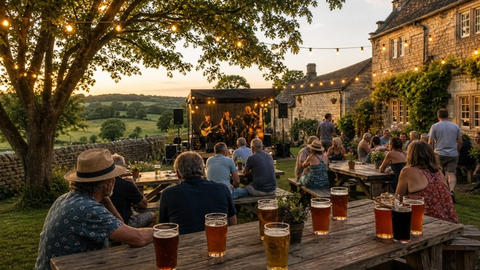
The town has an unusually high number of independent shops and cafés for somewhere this size. Mills Café on the High Street does excellent coffee and is always full of people working on laptops. Star Anise on Gloucester Street is a long-running veggie/vegan café that does genuinely good food rather than worthy lentils. The Prince Albert on Rodborough Hill is a proper boozer with local ales and a beer garden with views across the valley.
The Subscription Rooms on George Street is Stroud's arts venue, live music, theatre, comedy, and a bar that's open even when there's no show on. It's been the cultural heart of the town since 1833 and still puts on a better programme than most places twice its size.
Woodchester Mansion just outside Stroud is one of the oddest places in the Cotswolds, a Gothic Revival mansion that was never finished. Construction stopped abruptly in the 1870s and it's been left exactly as it was, half-built, with scaffolding still in place and stonework lying where the masons left it. It's now looked after by a trust and open for tours. It's also home to one of the largest bat colonies in the country, so if you're into that, spring and autumn bat walks are excellent.
Stroud Brewery on Thrupp Lane does tours and tastings if you want to see how local beer gets made, and their taproom is open Fridays and Saturdays. The beer's good, they supply a lot of the pubs in the area and it's worth an hour if you're into craft brewing.
The Cotswold Canals run through Stroud and are gradually being restored — you can walk the towpath from Stroud to Stonehouse and beyond, and it's flat, quiet, and surprisingly lovely. Rodborough Common just above the town is National Trust land with miles of walking, grazing cattle, and views across the valleys.
Stroud gets a bad rap from people who think the Cotswolds should be all honey stone and cream teas, but that's exactly why it's worth visiting. It's a proper working town that happens to be in a beautiful part of the world, and it feels more real than most of the tourist villages further north.
Coming Up
Music & ArtsFree📅 24 Jun – 2 Aug
📍 Tetbury Goods Shed, The Old Station Yard, Cirencester Road, Tetbury GL8 8EY
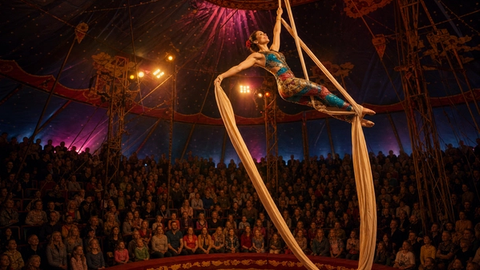 Family
📅 Wednesday 29 July
📍 Minchinhampton RFC, Minchinhampton, Gloucestershire GL6 9BJ
Family📅 Thursday 30 July
📍 Minchinhampton RFC, Hollybush Farm, Minchinhampton, Gloucestershire GL6 9BD
Family📅 Friday 31 July
📍 Minchinhampton RFC, Stroud, GL6 9BD
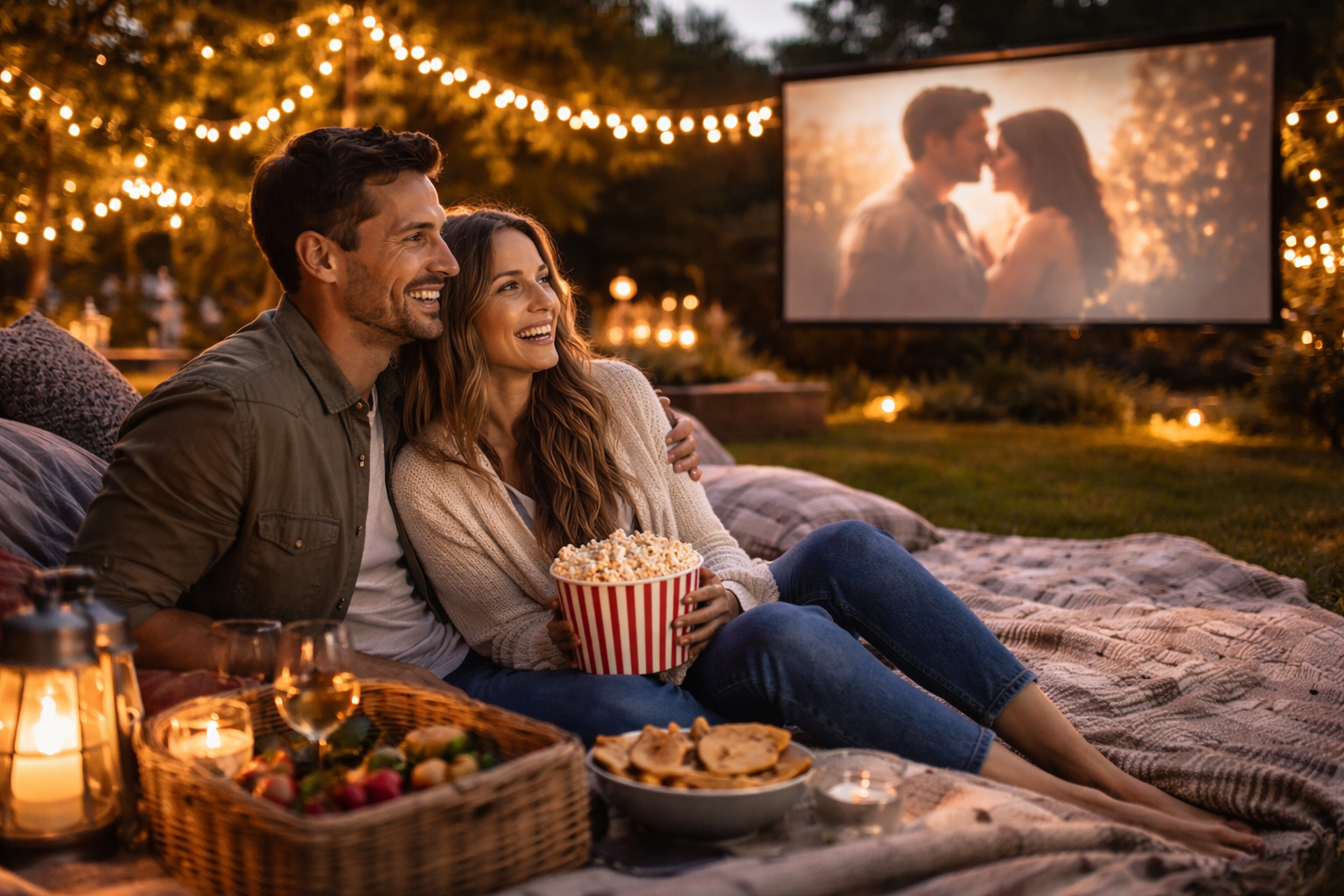 Date Night
📅 Friday 31 July
📍 Westonbirt, The National Arboretum Westonbirt Tetbury GL8 8QS
 Food & Drink
📅 31 Jul – 1 Aug
📍 The Butchers Arms, Oakridge Lynch, Stroud, Gloucestershire GL6 7NZ
Food & Drink
Local Services
Read
Explore More
Every Thursday
Events, eats, walks and what's worth knowing across the Cotswolds — free every Thursday.
Growing every week · No spam