
Music & ArtsFree
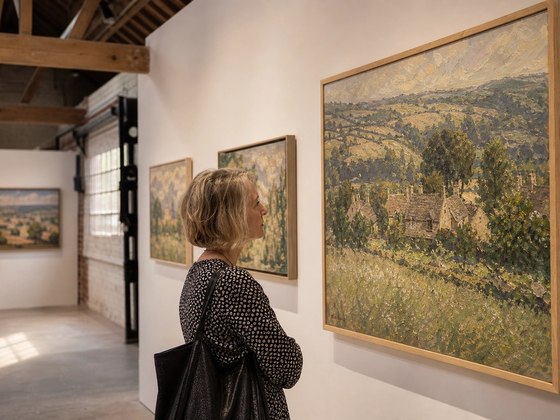
KB Hancock – England’s ‘Lost’ Impressionist
Wed 24 Jun·Tetbury Goods Shed, The Old Station Yard, Cirencester Road, Tetbury GL8 8EY
Events, eats, walks, and hidden gems — updated every week. Discover what makes the Cotswolds special.
Events across the Cotswolds — handpicked every week
Wed 24 Jun·Tetbury Goods Shed, The Old Station Yard, Cirencester Road, Tetbury GL8 8EY
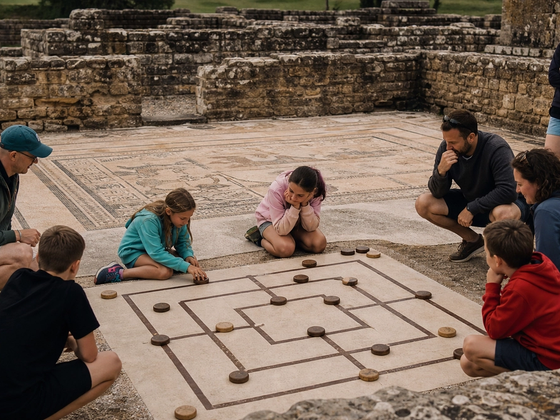
Sat 18 Jul·Chedworth Roman Villa, Yanworth, Cheltenham GL54 3LJ
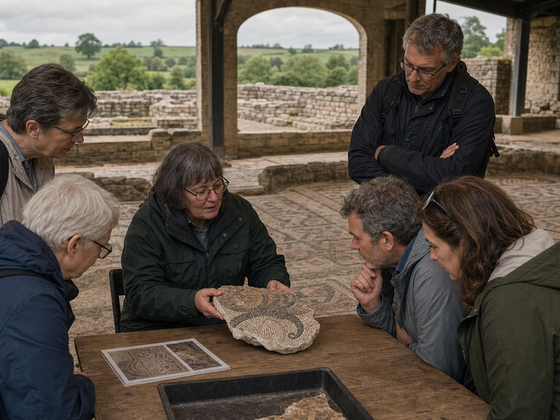
Sat 18 Jul·Chedworth Roman Villa, Yanworth, Cheltenham GL54 3LJ
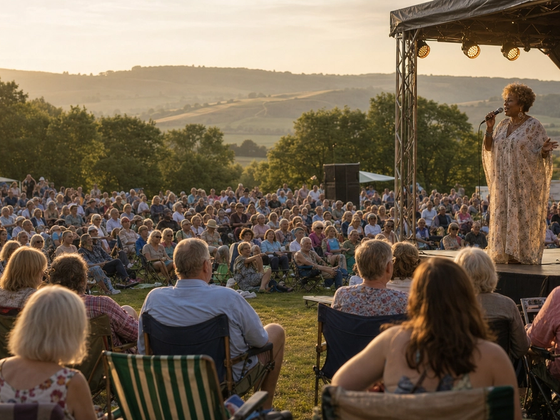
Fri 24 Jul·Festival Marquee, Guiting Power Playing Field, Guiting Power, Cheltenham, Gloucestershire GL54 5UX
Tue 28 Jul·The Corn Exchange, Market Square, Witney OX28 6AB
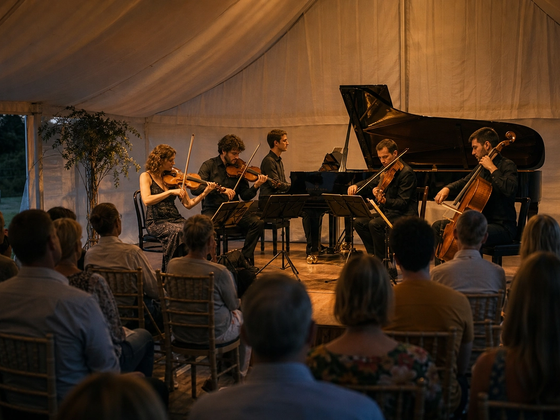
Tue 28 Jul·Festival Marquee, Guiting Power, Gloucestershire GL54 5US
Wed 24 Jun·Tetbury Goods Shed, The Old Station Yard, Cirencester Road, Tetbury GL8 8EY
Sat 18 Jul·Chedworth Roman Villa, Yanworth, Cheltenham GL54 3LJ
Sat 18 Jul·Chedworth Roman Villa, Yanworth, Cheltenham GL54 3LJ
Fri 24 Jul·Festival Marquee, Guiting Power Playing Field, Guiting Power, Cheltenham, Gloucestershire GL54 5UX
Tue 28 Jul·The Corn Exchange, Market Square, Witney OX28 6AB
Tue 28 Jul·Festival Marquee, Guiting Power, Gloucestershire GL54 5US
Everything worth knowing, all in one place
Local Directory
Trusted plumbers, builders, gardeners, electricians and more — all based in or serving the Cotswolds.
Browse all trades & services →Features, guides, and local recommendations
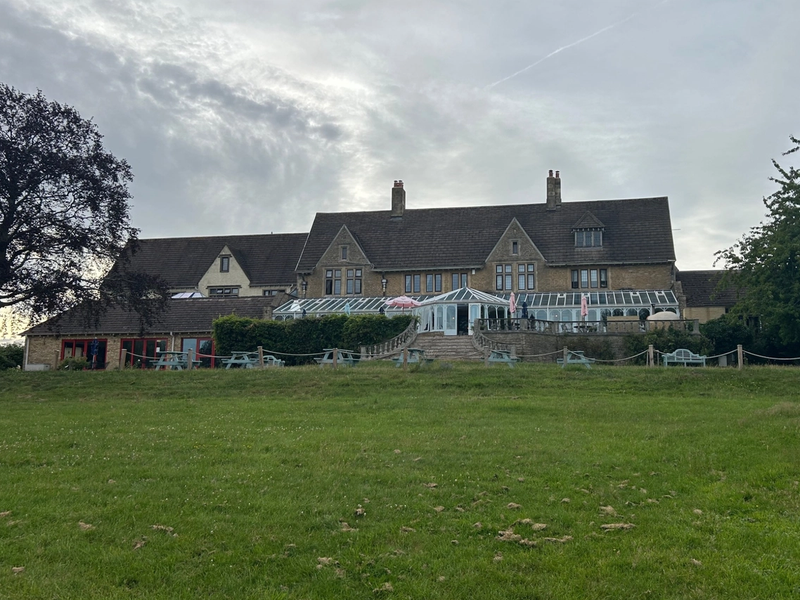
Football golf sounds slightly ridiculous until you do it. We tried it at Cricklade House Hotel near the Cotswolds — £10 each, a map that needed decoding, a pen that gave up after two holes, and genuinely good fun. The activity delivers. The course needs work.
Read article →Discover the places that make the Cotswolds what it is
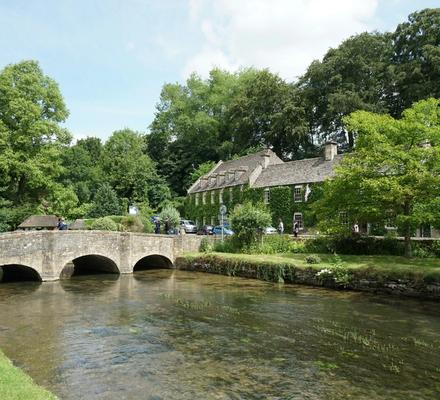
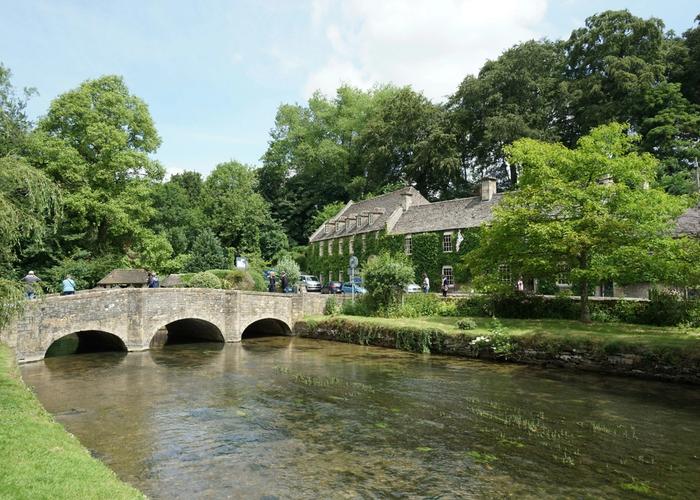
Bibury
William Morris called Bibury "the most beautiful village in England" and that quote has been haunting the place ever since. Every tour bus, every coach trip, every Instagram account obsessed with the Cotswolds ends up here, photographing Arlington Row the 14th-century weavers' cottages that are so ridiculously photogenic they've become the visual shorthand for "quintessential English village." The problem is, Morris was right. Bibury is genuinely stunning. It's just that everyone knows it.
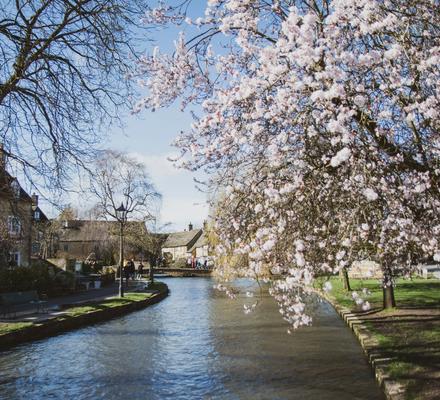
Bourton-on-the-Water
Bourton-on-the-Water gets a lot of stick from visiting locals. Too many tourists, too many ice cream shops, coaches blocking the car park on a Saturday in August. All of that is true. And yet most people who live within twenty minutes of it have a soft spot for the place.
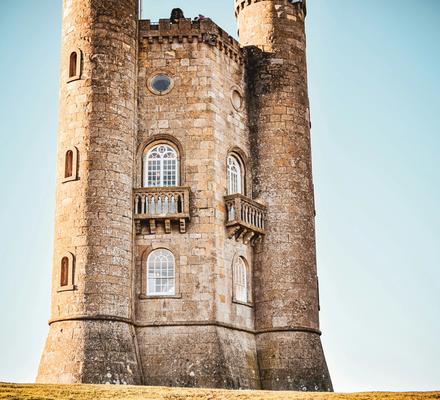
Broadway
They call it the Jewel of the Cotswolds. It's one of those nicknames that sounds like marketing until you actually stand on the High Street and realise it's just accurate. Broadway is wide, that's literally where the name comes from, a broad village way and lined with horse chestnut trees and coaching inns built in the 16th and 17th centuries, when this was one of the busiest stops on the London to Worcester road. Oliver Cromwell slept at the Lygon Arms before the Battle of Worcester. Charles I had been there first. The pub has been trading since 1377 and shows absolutely no sign of stopping.
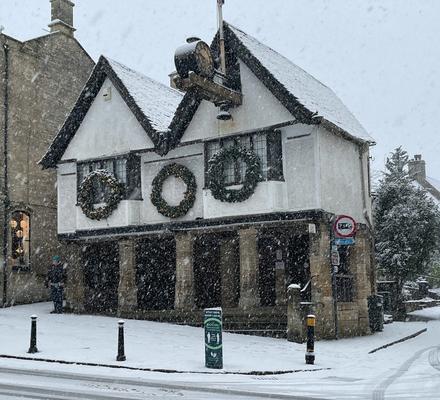
Burford
Burford calls itself the Gateway to the Cotswolds, which is either accurate or marketing depending on which direction you're coming from, but either way it's one of the best looking towns in the area and it knows it. The High Street runs downhill from the top of town to the River Windrush at the bottom, lined with medieval buildings, coaching inns, and the kind of independent shops that somehow manage to sell both artisan cheese and overpriced candles without it feeling cynical.
Chipping Campden
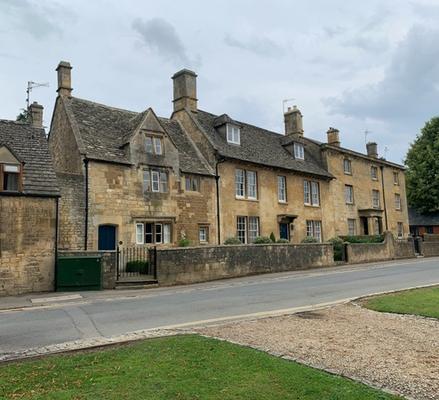
There's a reason historian GM Trevelyan called Chipping Campden's High Street "the most beautiful village street now left in the island." Standing at one end of it on a quiet morning, the curve of honey limestone buildings sweeping away from you, the medieval Market Hall sitting in the middle of the road like it owns the place which, in a sense, it does. You understand why people who come here for a weekend end up staying for twenty years.
Cirencester
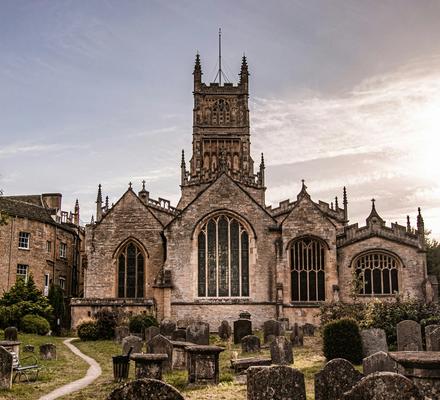
Cirencester calls itself the Capital of the Cotswolds. It's a bold claim for a market town of 20,000 people, but the Romans agreed with it — in the second century AD, Corinium Dobunnorum was the second largest Roman settlement in Britain after London, covering 240 acres with a population of 15,000 and an amphitheatre that held 8,000 spectators. You can still walk the amphitheatre earthworks today, just off Cotswold Avenue, which is one of those genuinely strange and underrated things to do in the Cotswolds. Green mounds in a field that were once the scene of gladiatorial combat in an English market town.
Northleach
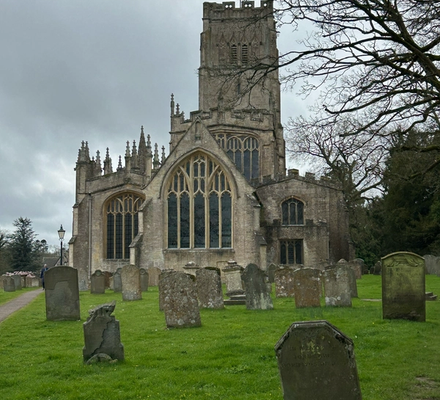
Northleach is one of the great wool towns of the Cotswolds, sitting on the Roman Fosse Way at the heart of the high wolds. Despite its modest size, it punches well above its weight historically — during the fifteenth century it was one of the wealthiest places in England, its fortune built on the backs of thousands of Cotswold sheep grazed across the surrounding limestone uplands.
Painswick
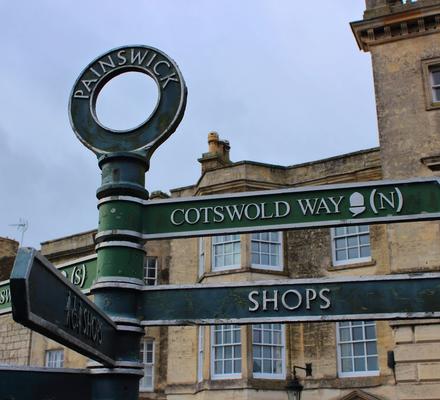
Painswick calls itself the Queen of the Cotswolds, which is a bold claim in an area full of villages that think very highly of themselves, but it's not entirely unearned. The town sits on a hill with views across the Slad Valley, the streets are steep and winding, and almost every building is Grade I or Grade II listed. It's smaller and quieter than Stow or Chipping Campden, which means it gets overlooked by the coach tour crowd, which is entirely to its advantage.
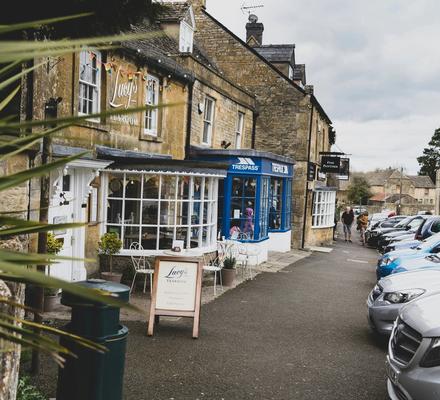
Stow-On-The-Wold
There's a rhyme about Stow-on-the-Wold:
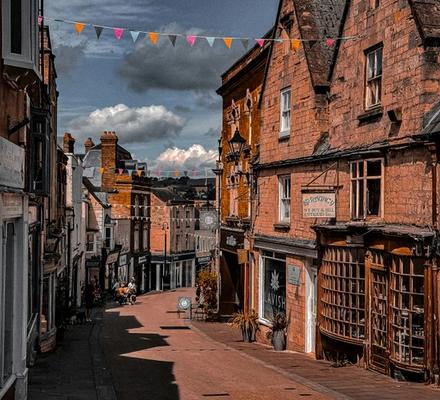
Stroud
Stroud is different. It's not honey stone and tourists and tea rooms, it's steep valleys, Victorian mills, independent shops that actually take the Brixton pound, and a farmers' market on Saturdays that people treat like a religion. It's the only place in the Cotswolds where you'll see dreadlocks, vintage record shops, and a thriving community of artists, makers, and people who moved here in the '90s and never left. It's also one of the few towns in the area that feels like it's still properly alive rather than preserved in aspic for visitors.
Bibury
William Morris called Bibury "the most beautiful village in England" and that quote has been haunting the place ever since. Every tour bus, every coach trip, every Instagram account obsessed with the Cotswolds ends up here, photographing Arlington Row the 14th-century weavers' cottages that are so ridiculously photogenic they've become the visual shorthand for "quintessential English village." The problem is, Morris was right. Bibury is genuinely stunning. It's just that everyone knows it.
Bourton-on-the-Water
Bourton-on-the-Water gets a lot of stick from visiting locals. Too many tourists, too many ice cream shops, coaches blocking the car park on a Saturday in August. All of that is true. And yet most people who live within twenty minutes of it have a soft spot for the place.
Broadway
They call it the Jewel of the Cotswolds. It's one of those nicknames that sounds like marketing until you actually stand on the High Street and realise it's just accurate. Broadway is wide, that's literally where the name comes from, a broad village way and lined with horse chestnut trees and coaching inns built in the 16th and 17th centuries, when this was one of the busiest stops on the London to Worcester road. Oliver Cromwell slept at the Lygon Arms before the Battle of Worcester. Charles I had been there first. The pub has been trading since 1377 and shows absolutely no sign of stopping.
Burford
Burford calls itself the Gateway to the Cotswolds, which is either accurate or marketing depending on which direction you're coming from, but either way it's one of the best looking towns in the area and it knows it. The High Street runs downhill from the top of town to the River Windrush at the bottom, lined with medieval buildings, coaching inns, and the kind of independent shops that somehow manage to sell both artisan cheese and overpriced candles without it feeling cynical.
Chipping Campden
There's a reason historian GM Trevelyan called Chipping Campden's High Street "the most beautiful village street now left in the island." Standing at one end of it on a quiet morning, the curve of honey limestone buildings sweeping away from you, the medieval Market Hall sitting in the middle of the road like it owns the place which, in a sense, it does. You understand why people who come here for a weekend end up staying for twenty years.
Cirencester
Cirencester calls itself the Capital of the Cotswolds. It's a bold claim for a market town of 20,000 people, but the Romans agreed with it — in the second century AD, Corinium Dobunnorum was the second largest Roman settlement in Britain after London, covering 240 acres with a population of 15,000 and an amphitheatre that held 8,000 spectators. You can still walk the amphitheatre earthworks today, just off Cotswold Avenue, which is one of those genuinely strange and underrated things to do in the Cotswolds. Green mounds in a field that were once the scene of gladiatorial combat in an English market town.
Northleach
Northleach is one of the great wool towns of the Cotswolds, sitting on the Roman Fosse Way at the heart of the high wolds. Despite its modest size, it punches well above its weight historically — during the fifteenth century it was one of the wealthiest places in England, its fortune built on the backs of thousands of Cotswold sheep grazed across the surrounding limestone uplands.
Painswick
Painswick calls itself the Queen of the Cotswolds, which is a bold claim in an area full of villages that think very highly of themselves, but it's not entirely unearned. The town sits on a hill with views across the Slad Valley, the streets are steep and winding, and almost every building is Grade I or Grade II listed. It's smaller and quieter than Stow or Chipping Campden, which means it gets overlooked by the coach tour crowd, which is entirely to its advantage.
Stow-On-The-Wold
There's a rhyme about Stow-on-the-Wold:
Stroud
Stroud is different. It's not honey stone and tourists and tea rooms, it's steep valleys, Victorian mills, independent shops that actually take the Brixton pound, and a farmers' market on Saturdays that people treat like a religion. It's the only place in the Cotswolds where you'll see dreadlocks, vintage record shops, and a thriving community of artists, makers, and people who moved here in the '90s and never left. It's also one of the few towns in the area that feels like it's still properly alive rather than preserved in aspic for visitors.
Every Thursday · Free Forever
Events, food, walks, and what's worth knowing this week. No noise — just the good stuff, curated by people who actually live here.
Growing every week · No spam · Unsubscribe anytime
In partnership with Birdland Park & Gardens
Enter Now — It's Free47
Towns & villages covered
Thursday
Every week, rain or shine
Free
Always free to read