 Music & ArtsFree
KB Hancock – England’s ‘Lost’ Impressionist
📅 24 Jun – 2 Aug
📍 Tetbury Goods Shed, The Old Station Yard, Cirencester Road, Tetbury GL8 8EY
About
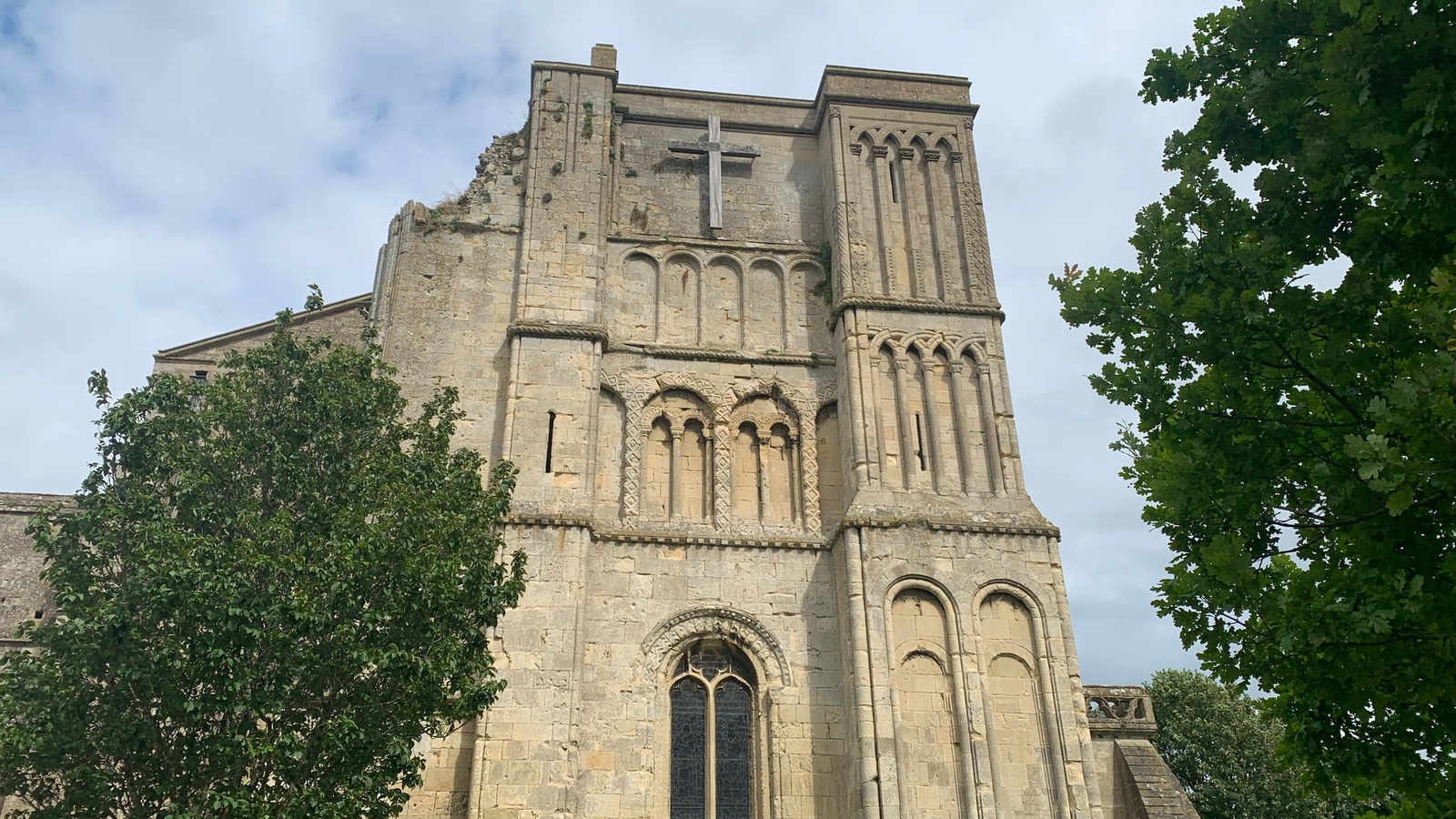
Malmesbury is the oldest continuously inhabited town in England, or so it claims, and the claim holds up better than most. It's been here since at least the 7th century, had a mint in Saxon times, and its abbey was one of the most important religious centres in medieval England. The town sits on a hill surrounded on three sides by the River Avon, which made it defensible and prosperous, and it's managed to stay relevant ever since without ever quite becoming a tourist trap.
The Abbey is what you come to see. It was founded in the 7th century, rebuilt by the Normans, and was one of the great Benedictine monasteries before the Dissolution. Most of its gone now the tower collapsed in the 16th century and took half the building with it, but what's left is genuinely spectacular. The Norman doorway is one of the finest in England, covered in detailed carvings of biblical scenes that have survived 900 years of weather remarkably intact. Inside, the nave is vast and light, and there's a sense of space that most parish churches don't have because this was never meant to be a parish church,it was built to impress.
The tomb of King Athelstan is in the abbey, the first king of a united England, who died in 939 and was buried here. The current tomb is a 15th-century replacement, but the fact that he's here at all tells you how important Malmesbury was in Saxon times.
The Market Cross in the centre of town dates from the 15th century and is still used for markets and town events. It's one of the best-preserved market crosses in England and you can still see the individual stalls carved into the stone where traders would set up.
Malmesbury also has the dubious honour of being where the first recorded attempt at human flight took place. In the 11th century, a monk called Eilmer strapped on a pair of wings and jumped off the abbey tower. He glided about 200 metres before crashing and breaking both legs. He survived, which is more than you'd expect, and there's a stained glass window in the abbey commemorating his effort.
The High Street has a decent mix of independent shops, a good butcher, a bakery, a couple of delis, and The Whole Hog which does excellent locally sourced food and has been there for years. The Old Bell Hotel dates from 1220 and claims to be the oldest purpose-built hotel in England. The claim's debatable but the building's genuinely old, the restaurant's good, and the bar's worth a pint even if you're not staying.
The Kings Arms is the traditional pub choice if you just want a pint and some straightforward food.
Abbey House Gardens next to the abbey is a five-acre garden that's been developed over the last 30 years by the couple who own it, and it's genuinely lovely, roses, herbaceous borders, a river walk, and peacocks wandering around. It's open from March to October and entry's about a tenner.
The Cotswold Water Park is a few miles south 150 lakes created from old gravel pits, now used for water sports, birdwatching, and walking. It's a completely different landscape from the rest of the Cotswolds and worth exploring if you've got time.
Malmesbury gets far fewer visitors than Stow or Bourton, which means it's quieter and feels more like a real town. It has a Waitrose, a co-op, and actual amenities, so people live here year-round rather than just visiting at weekends.
Park at the Maltings car park just off the High Street — it's pay and display but not extortionate. The town's small enough to walk round in half an hour, or you can spend a couple of hours if you do the abbey properly and wander the gardens.
Coming Up
Music & ArtsFree📅 24 Jun – 2 Aug
📍 Tetbury Goods Shed, The Old Station Yard, Cirencester Road, Tetbury GL8 8EY
 Family
📅 Wednesday 29 July
📍 Minchinhampton RFC, Minchinhampton, Gloucestershire GL6 9BJ
 Music & Arts
📅 Thursday 30 July
📍 Corinium Museum, Park Street, Cirencester GL7 2BX
Family📅 Thursday 30 July
📍 Minchinhampton RFC, Hollybush Farm, Minchinhampton, Gloucestershire GL6 9BD
 Community
📅 31 Jul – 2 Aug
📍 South Cerney Airfield, South Cerney, Gloucestershire GL7 5QD
Family📅 Friday 31 July
📍 Minchinhampton RFC, Stroud, GL6 9BD
Local Services
Explore More
Every Thursday
Events, eats, walks and what's worth knowing across the Cotswolds — free every Thursday.
Growing every week · No spam