 Family
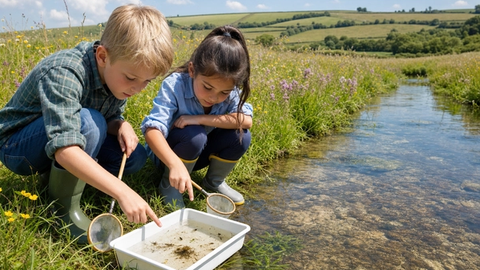
Family Fun Friday - Stream dipping & mini raft racing
📅 Friday 7 August
📍 Cleeve Common, Quarry Car Park, Cleeve Hill, Bishops Cleeve, Gloucestershire GL52 3PW
About
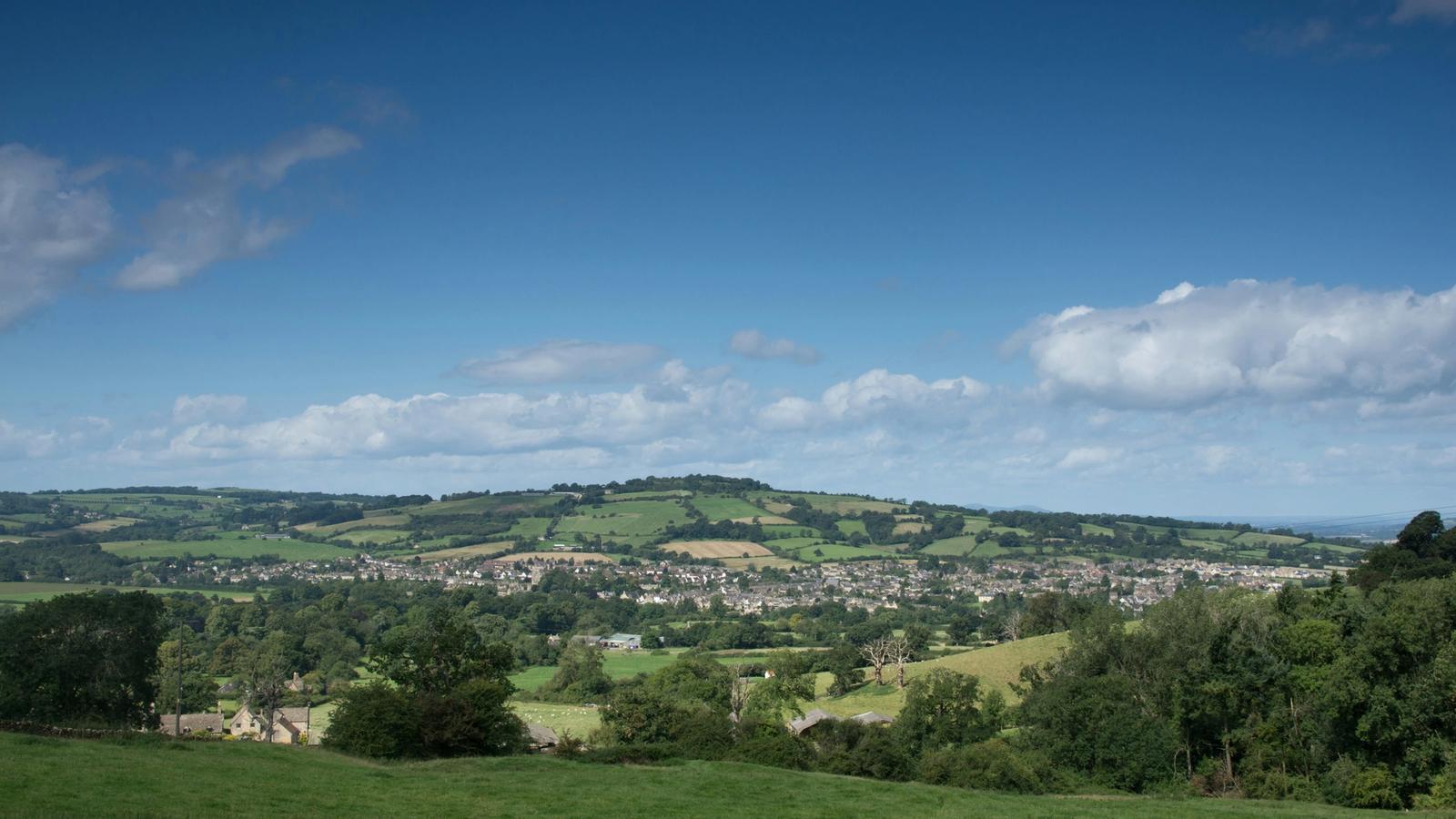
Winchcombe is one of those Cotswolds towns that should be more famous than it is. It was the capital of the Saxon kingdom of Mercia, had its own mint, and was more important than Gloucester for a good few centuries. Then the wool trade shifted, the abbey was dissolved in 1539, and the town quietly got on with being a normal market town instead of a regional power. The result is a place that's genuinely interesting without trying too hard to impress anyone.
The town sits at the northern edge of the Cotswold escarpment, tucked into the valley below Cleeve Hill, the highest point in the Cotswolds at 1,083 feet. It's a proper base for walkers. The Cotswold Way passes right through the centre of town, and you're ten minutes from Sudeley Castle, twenty minutes from Belas Knap, and half an hour from Hailes Abbey if you're into ruins.
St Peter's Church is one of the best wool churches in the region and most people walk straight past it without realising. The exterior is impressive enough, but the inside has some of the finest medieval embroidery in England, altar cloths made by Catherine of Aragon's ladies-in-waiting, which somehow survived the Reformation and are still on display. The gargoyles on the outside are genuinely odd, about 40 of them, all different, including one that's supposed to represent a local woman who was particularly unpleasant to the stonemasons.
Sudeley Castle just outside town is where Katherine Parr Henry VIII's sixth wife and the one who survived him is buried. The castle itself is still lived in by the Dent-Brocklehurst family, and the gardens are spectacular, particularly the Queen's Garden which was designed for Katherine Parr and has been restored to its Tudor layout. It's open to the public from April to October and does a good cream tea.
Belas Knap is a Neolithic long barrow about a mile and a half uphill from the town 5,000 years old, beautifully preserved, views across the valley that make the walk worth it even if you don't care about ancient burial chambers. It's a steady climb but not difficult, and it's never busy.
Hailes Abbey is a ruined Cistercian monastery from 1246, now looked after by the National Trust and English Heritage. Most of it's gone, but what's left gives you a sense of the scale of the place, and the museum attached has some beautiful medieval tiles and carvings. The tearoom does excellent cake.
The Wesley House on the High Street does the best food in town, Michelin Bib Gourmand, seasonal British menu, housed in a 15th-century building that used to be a row of cottages. Book ahead. The White Hart Inn is the pub option, 16th century, inglenook fireplaces, local ales, solid food. The Lion Inn does a good Sunday roast and has rooms if you're staying.
Winchcombe is also the home of Cotswold Lavender if you're here in summer, fields of purple lavender in full bloom from late June through August, and they do a good shop selling lavender everything if that's your sort of thing.
The Winchcombe Walking Festival happens every May, guided walks of varying difficulty led by people who actually know the area, and it's one of the better-organised walking events in the Cotswolds if you want to explore properly.
Park at the Back Lane car park (pay and display) or on Abbey Terrace if you can find a space. The town's small enough to walk end to end in ten minutes, so once you're parked you won't need the car again.
Coming Up
Family📅 Friday 7 August
📍 Cleeve Common, Quarry Car Park, Cleeve Hill, Bishops Cleeve, Gloucestershire GL52 3PW
 Family
📅 Sat 8 – Sun 9 August
📍 Cotswold Farm Park, Kineton, Guiting Power, Cheltenham GL54 5UG
 Kids
Kids📅 Saturday 8 August
📍 Broadway Museum & Art Gallery, Tudor House, 65 High Street, Broadway, Worcestershire WR12 7DP
 FamilyFree
📅 Sat 15 – Sun 16 August
📍 Broadway High Street and The Green, Broadway, Worcestershire WR12 7AA
 Family
📅 Saturday 15 August
📍 Cotswold Farm Park, Guiting Power, Gloucestershire GL54 5FL
Food & Drink
Restaurant
Experiences
Experience
Local Services
Explore More
Every Thursday
Events, eats, walks and what's worth knowing across the Cotswolds — free every Thursday.
Growing every week · No spam